
Expand Usable Acreage for Farming Operations
Agricultural land clearing for farmers and landowners in Murfreesboro, Tennessee preparing pasture, row crop acreage, and farmland for increased productivity.
When you farm in Murfreesboro and need more usable acreage for grazing or planting, overgrown fence lines, invasive brush, and tree stands often occupy land that could otherwise produce income. Tractors cannot access corners where saplings have taken over, livestock avoid sections choked with thorny undergrowth, and planting equipment cannot turn around without risking damage from hidden stumps. Agricultural land clearing reclaims those sections and turns them into productive farmland you can graze, plant, or manage for hay production.
Burgess Land Clearing removes brush, invasive growth, and tree lines from pasture and row crop land throughout Middle Tennessee, expanding usable acreage for agricultural production. The work includes clearing fence lines, removing saplings and undergrowth from field edges, and preparing sections for future planting or grazing. You receive cleared land ready for equipment access, livestock management, and agricultural improvements that increase productivity and simplify farm operations.
If you farm in Murfreesboro and need land cleared to expand your operation, reach out to discuss acreage size and what you plan to use the land for once clearing finishes.
What Clearing Does for Farm Productivity and Access
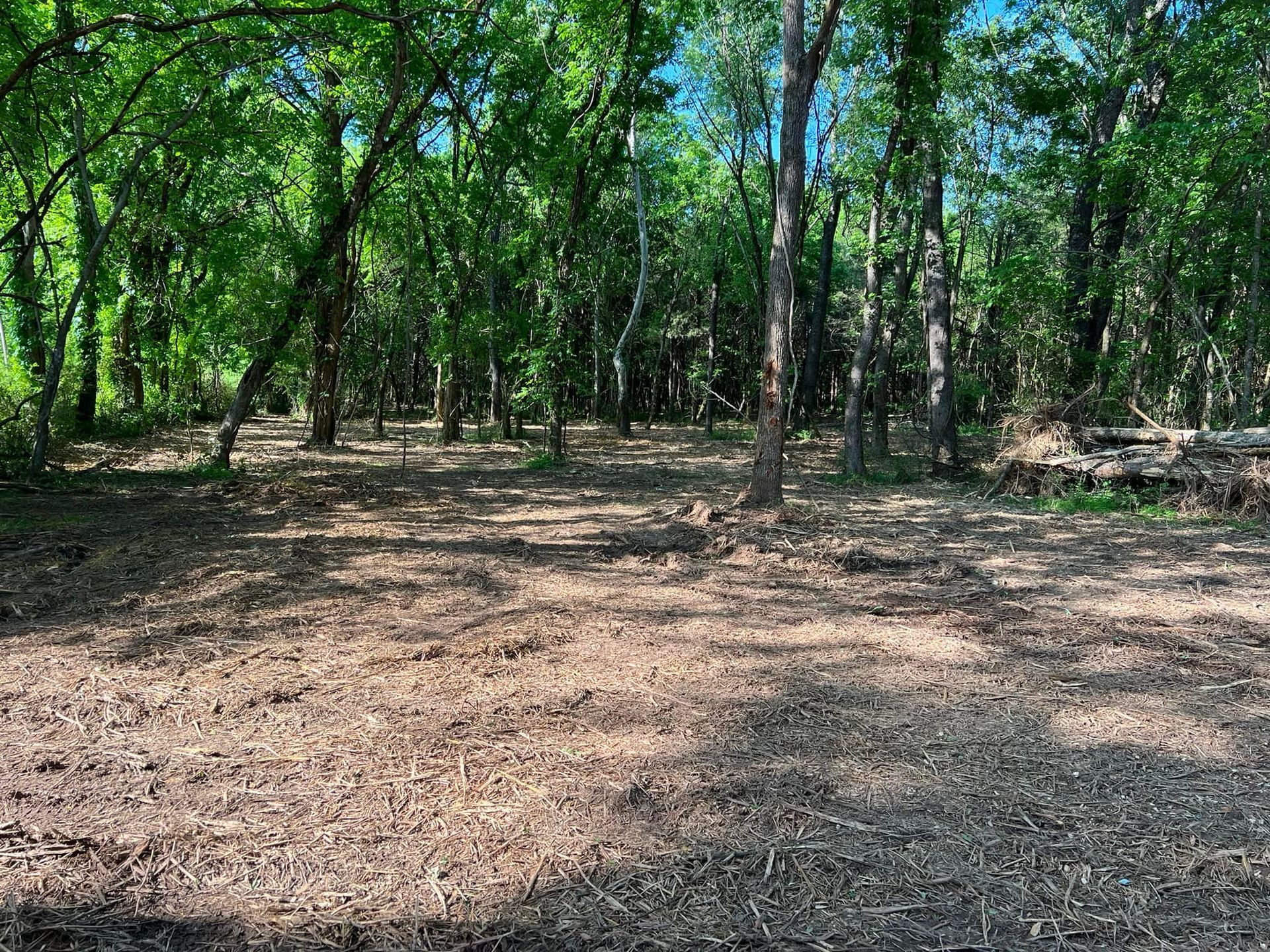
Clearing starts with a review of your property in Murfreesboro to identify which sections need opening and how the land will be used after vegetation is removed. Equipment including forestry mulchers, brush cutters, and excavators removes invasive species, clears fence lines, and grinds stumps below plow depth so your equipment can cross without damage. Larger projects often clear in phases to avoid disrupting active farming operations while opening new sections incrementally.
After clearing, your pasture extends to the actual fence line instead of stopping ten feet short where brush has taken over. Livestock graze across the entire field without avoiding sections tangled with briars and saplings. Tractors and planting equipment access corners previously blocked by overgrowth, and you can mow, spray, or fertilize without maneuvering around obstacles that slow down every pass across the field.
Timeline depends on acreage and vegetation density, but most agricultural clearing projects finish within a week to several weeks depending on the scope. Stumps are ground below tillage depth if you plan to plant row crops, or left slightly higher if the land will be used for pasture where they will not interfere with mowing equipment. Clearing does not include soil testing, lime application, or seeding, which typically happen after the land is open and accessible for agricultural equipment.
What Farmers Usually Want to Know Beforehand
Most farmers clearing land for agricultural use need to balance the cost of clearing with the return they will get from improved productivity, so understanding what the process involves helps with planning and budgeting.
How deep do stumps need to be ground for row crop planting?
Stumps should be ground at least eight to twelve inches below the surface to prevent plows, discs, and planting equipment from catching on roots. If you only plan to use the land for grazing or hay production, stumps can remain slightly higher since mowing equipment clears the ground by several inches.
What should I do with cleared land before planting?
Most farmers in Murfreesboro test soil after clearing to determine lime and fertilizer needs, then plant a cover crop to stabilize the soil and add organic matter. Planting immediately after clearing works if soil conditions are suitable, but waiting a season often produces better results.
How do you handle invasive species that keep coming back?
Clearing removes the visible growth, but invasive species often resprout from root systems left in the ground. You will need to mow, spray, or graze the area regularly after clearing to prevent regrowth until the root systems exhaust themselves and desirable forage takes over.
When is the best time to clear agricultural land?
Late winter and early spring work well because the ground is firm enough for equipment but not yet planted, giving you time to prepare the soil before the growing season. Clearing during wet months risks rutting fields and compacting soil, which delays planting and reduces productivity.
What happens to woody debris after clearing?
Brush and limbs are typically mulched in place to decompose and return organic matter to the soil, or piled and burned if you prefer a clean field. Larger logs can be hauled offsite or stacked for firewood if you want to use them rather than dispose of them.
Burgess Land Clearing works with farmers and landowners throughout Murfreesboro to prepare agricultural land for grazing, planting, and improved productivity, helping you move quickly from clearing to cultivation. If your farm needs acreage opened for livestock or row crops, contact us to review your land and receive an estimate based on vegetation density and clearing depth requirements.